ADA-Compliant Concrete Sidewalks: What Property Owners Need to Know
Property owners seeking ada-compliant concrete sidewalks aim to ensure accessible, safe walkways, and local contractors can help design and build compliant solutions.
Property owners exploring ada-compliant concrete sidewalks: what property owners need to know are in the right place. Ensuring sidewalks meet accessibility standards is a practical concern for many in the area, whether for compliance, safety, or improved accessibility for all visitors. This topic is especially relevant for commercial properties, residential communities, and public spaces aiming to create welcoming environments. By understanding the key requirements and benefits of ada-compliant sidewalk construction, property owners can make informed decisions and explore options that local contractors are well-equipped to handle.
Continuing to read can provide valuable insights into how ada-compliant concrete sidewalks can enhance property value, meet legal standards, and support community inclusiveness. Local service providers specializing in sidewalk construction are experienced in translating accessibility guidelines into durable, functional features that blend seamlessly with existing landscapes. Connecting with these local contractors can help property owners find tailored solutions that meet their specific needs, ensuring sidewalks not only comply but also serve as safe, accessible pathways for everyone.
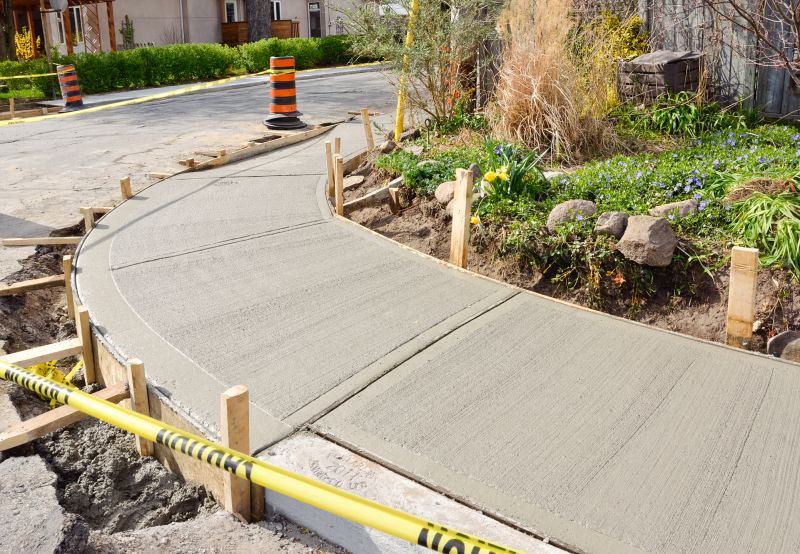
- ADA-compliant sidewalk construction - property owners may need this service when upgrading existing walkways to meet accessibility standards, with local contractors ensuring proper slope and surface smoothness. Sidewalk repair and replacement - when existing concrete sidewalks are uneven or damaged, service providers can modify or replace them to meet ADA guidelines for accessibility. New sidewalk installation - for new property developments or renovations, local pros can design and construct ADA-compliant concrete sidewalks that adhere to accessibility requirements. Accessibility ramp installation - property owners seeking to improve sidewalk access often require ramps built to ADA standards, with local contractors handling the installation process. Sidewalk leveling and smoothing - when existing concrete needs to be adjusted for compliance, service providers can perform leveling and surface finishing to ensure ADA standards are met.
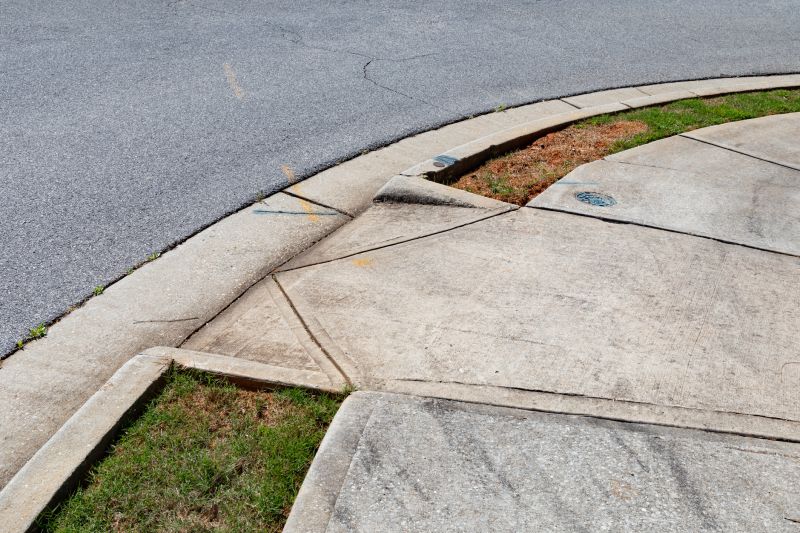
When property owners search for ada-compliant concrete sidewalks: what property owners need to know, they are often seeking guidance on ensuring their outdoor pathways meet accessibility standards set by the Americans with Disabilities Act (ADA). This typically involves understanding the specific design requirements, such as proper slope, width, and surface smoothness, that make sidewalks accessible for individuals with mobility challenges. Many property owners are planning renovations, upgrades, or new construction projects and want to ensure their sidewalks are compliant from the start. This search may also stem from concerns about legal compliance, avoiding potential liabilities, or simply wanting to create an inclusive environment for visitors, residents, or employees.
These projects often relate to problems like uneven or cracked sidewalks that pose safety hazards or violate accessibility codes. Property owners might be dealing with existing sidewalks that no longer meet current standards, prompting the need for repairs or complete replacements. Alternatively, they may be planning new sidewalk installations as part of larger site improvements or property development. In either case, understanding the specific ADA requirements helps property owners avoid costly modifications later on and ensures that their sidewalks serve all users effectively. Local contractors who specialize in ada-compliant sidewalk construction can help navigate these requirements, providing solutions that align with legal standards and practical needs.
The types of properties involved in these projects vary widely but typically include commercial facilities, multi-family residential complexes, public parks, and government buildings. Commercial properties such as retail centers, office parks, and restaurants often need accessible sidewalks to meet legal obligations and accommodate diverse customer needs. Residential developments, especially those with multi-unit housing, are increasingly expected to provide accessible pathways to entrances and common areas. Public spaces like parks, community centers, and municipal buildings also require ADA-compliant sidewalks to ensure all visitors can access amenities safely and comfortably. Local service providers familiar with these property types can assist in designing and installing sidewalks that meet ADA standards while fitting the property's specific layout and use.
For property owners, understanding the connection between their projects and ADA-compliant sidewalk requirements is essential for planning and budgeting. Local pros who specialize in ada-compliant sidewalk construction are equipped to handle the technical aspects of these projects, from proper slope and surface texture to durable materials that withstand foot traffic and weather. They can assess existing conditions, recommend suitable solutions, and ensure that new or repaired sidewalks adhere to ADA guidelines. This helps property owners create accessible, safe pathways that serve all visitors and occupants, while also ensuring compliance with legal standards. Connecting with experienced local contractors can simplify the process and provide peace of mind that the project meets necessary accessibility requirements.
Paving and Asphalt Projects - local contractors experienced in paving and asphalt work often handle accessible pathways and surfaces that require smooth, durable finishes similar to ADA-compliant sidewalks.
Concrete Driveway Installation - professionals skilled in concrete work can create accessible driveways and walkways that meet ADA standards for slope and surface smoothness.
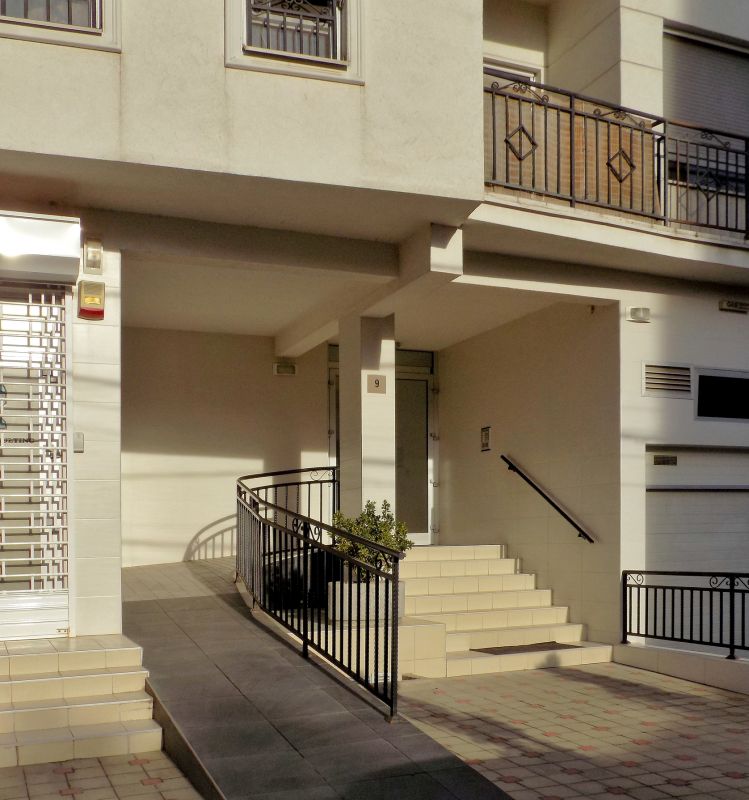
Curb and Ramp Construction - building curb ramps and accessible entry points involves planning and construction skills comparable to those used in ADA-compliant sidewalk projects.
Landscape and Hardscape Design - landscape pros with hardscape expertise can incorporate accessible pathways into broader outdoor designs, ensuring compliance and functionality.
Public Space Renovations - local service providers experienced in renovating parks and public areas often work on projects requiring ADA-compliant pathways and accessible routes.
Parking Lot Accessibility Improvements - contractors specializing in parking lot upgrades can install accessible routes and curb ramps aligned with ADA guidelines, similar to sidewalk standards.
When evaluating service providers for ADA-compliant concrete sidewalks, it is important to consider their experience with similar projects. Homeowners should seek out local contractors who have a proven track record of successfully completing sidewalk installations that meet ADA standards. An experienced professional will understand the specific requirements for accessibility, slope, surface texture, and proper drainage, helping to ensure the finished sidewalk is compliant and functional. Reviewing portfolios or asking for examples of past work can provide insight into their familiarity with ADA guidelines and their ability to handle the unique challenges of sidewalk construction.
Clear, written expectations are essential to avoid misunderstandings and ensure the project aligns with accessibility standards. Homeowners should look for service providers who offer detailed proposals that outline the scope of work, materials to be used, and specific ADA compliance features. Having these details in writing helps establish a shared understanding of the project’s goals and provides a reference point throughout the process. Additionally, transparent communication about timelines, responsibilities, and potential issues can contribute to a smoother experience and a successful outcome.
Reputable references and effective communication are key indicators of a reliable local contractor. Homeowners should seek out service providers with positive references from previous clients, especially those who have completed ADA-related sidewalk projects. Good communication involves timely responses, clarity in explanations, and a willingness to answer questions or address concerns. Working with a contractor who maintains open lines of communication and demonstrates professionalism can help ensure the project progresses efficiently and meets all accessibility requirements, ultimately providing a safe and compliant sidewalk for the property.
Property owners often search for ada-compliant concrete sidewalks: what property owners need to know when they are planning practical projects around their homes and businesses. Local pros provide ADA-Compliant Sidewalk Construction services for everyday jobs and straightforward project options.

Property owners in the area often look into ada-compliant concrete sidewalks: what property owners need to know when planning upgrades or new installations around their properties. Whether it’s for a commercial storefront, residential walkway, or public space, ensuring sidewalks meet accessibility standards can be a key consideration. Many property owners seek out local contractors who specialize in ADA-compliant sidewalk construction to help navigate the requirements and ensure the project adheres to current guidelines. These professionals can provide guidance on proper slope, curb ramps, and surface smoothness, making sure the sidewalk is safe and accessible for everyone.
In everyday project situations, property owners might need to replace aging or damaged sidewalks to improve safety and compliance. They may also want to add features like curb ramps or tactile paving to meet ADA standards. Local service providers experienced in ADA-compliant sidewalk construction can assist with these modifications, offering practical solutions that align with accessibility laws. Connecting with these local contractors can help property owners find the right expertise to handle the project efficiently, ensuring sidewalks are accessible and compliant with current regulations.
What are the key features of ADA-compliant concrete sidewalks? ADA-compliant sidewalks typically include features such as smooth, level surfaces, appropriate slope gradients, and accessible ramps to ensure safe and easy access for all users. Local contractors can help incorporate these features into sidewalk designs to meet accessibility standards.
Why is proper slope important for ADA-compliant sidewalks? Proper slope, usually a maximum of 1:12, ensures that sidewalks are accessible for individuals with mobility challenges and comply with ADA guidelines. Experienced service providers can ensure slopes are correctly integrated during construction.
How do local contractors ensure the durability of ADA-compliant sidewalks? Local pros use durable materials and proper construction techniques to create sidewalks that withstand weather and heavy use while maintaining compliance with ADA standards. They can advise on materials that meet both safety and longevity requirements.
Are there specific design considerations for ADA-compliant sidewalks in commercial properties? Yes, commercial properties need to include features like tactile warning surfaces at crossings and accessible curb ramps. Local service providers can incorporate these design elements to meet ADA requirements effectively.
What maintenance is needed to keep ADA-compliant sidewalks accessible? Regular inspection and maintenance, including fixing cracks and clearing obstructions, help keep sidewalks accessible and compliant. Local contractors can advise on maintenance practices to preserve ADA standards over time.
Understanding ADA Guidelines - Property owners should familiarize themselves with ADA standards to ensure sidewalks are accessible for all users, which local contractors can incorporate during construction.
Proper Slope and Surface - Ensuring the sidewalk has the correct slope and smooth surface helps prevent accessibility issues and can be achieved by experienced service providers.
Clear Pathways - Maintaining unobstructed, wide walkways allows for easy navigation, and local contractors can help design and build these features effectively.
Compliance Documentation - Property owners may need to ensure their sidewalks meet ADA requirements, with local pros providing guidance on proper construction practices.
If you are thinking about ada-compliant concrete sidewalks: what property owners need to know for a property, this guide is meant to help you understand this topic, the typical project types, and how different options might fit your plans.
When you are ready, you can use the quote form on this page to share a few details about your project. From there, local pros can review the basics and follow up with options that match what you have in mind.